Choosing a travel destination is no longer just about flipping through a catalog of sunny beaches. The intense summer heat, new entry requirements in certain countries, and the growing desire to travel differently are reshaping the map of attractive destinations. Before booking, some concrete considerations need to be made.
Climate and seasonality: when the weather changes the destination
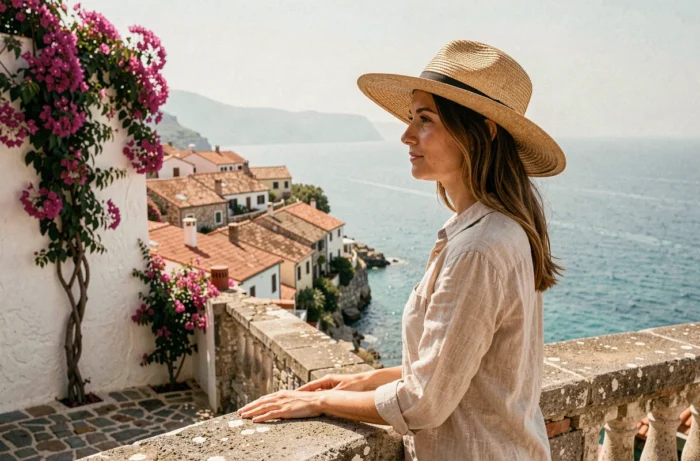
Have you noticed that Mediterranean summers can sometimes be hard to bear? Recurring heatwaves in Spain, Greece, or the south of France are pushing more and more travelers to shift their vacations. Spring and the shoulder season now offer the best compromise for these countries: pleasant temperatures, reduced crowds, and lower prices.
Conversely, northern European destinations are gaining summer appeal. Iceland, Norway, or Scotland offer spectacular landscapes between June and August, with long days and manageable temperatures. This shift northward is not just a trend: it reflects a climatic reality that traditional travel catalogs often overlook.
For families traveling during the summer school holidays, this constraint changes the game. Going to Italy in July is still possible, but favoring the lakes in the north rather than Sicily helps avoid heat spikes. Exploring all trips on Voyage 2 Rêve helps identify itineraries designed around these new climatic windows.
Slow travel and land routes: traveling slower to see more
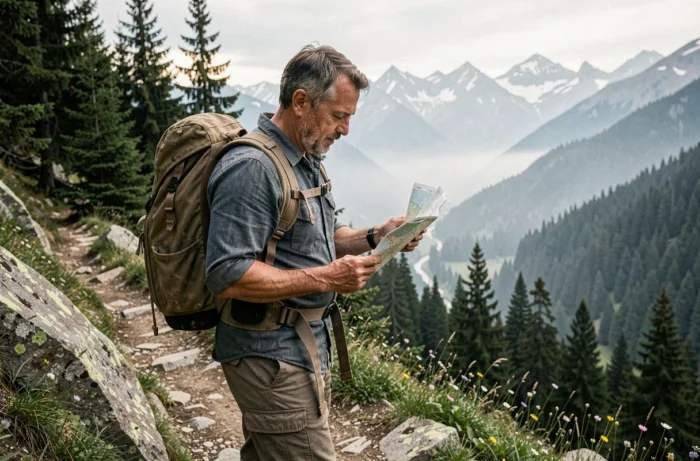
Slow travel is no longer a concept reserved for alternative travelers. According to the Travel Trend Report 2026 from Dertour Group, more than half of respondents in 13 European countries say they are attracted to this approach. The principle is simple: stay longer in each place, travel by land, and reduce the number of different accommodations during a single trip.
In practical terms, this means preferring an overnight train between Paris and Barcelona rather than a low-cost flight followed by a taxi transfer. Or spending five nights in a village in the Périgord instead of two nights in Bordeaux, two in Biarritz, and one in Toulouse.
What slow travel changes in preparation
The classic reflex is to increase the number of cities visited. Slow travel reverses this logic. Fewer stops, but each stop is chosen carefully.
- Favoring a single accommodation per week avoids downtime related to successive check-ins and check-outs, and reduces transportation costs.
- Choosing train or bus journeys allows you to cross landscapes that planes fly over – the coasts of Portugal by train, the Moroccan desert by bus, the Swiss Alps in panoramic views.
- Traveling slowly opens up time for local activities (markets, hikes, workshops) instead of rushing through tourist sites.
Slow travel often costs less than a traditional tour, because it eliminates multiple transfers and nights lost in transit.
Formalities and visas: check before dreaming
One of the blind spots of travel inspiration is the administrative question. Dreaming of Japan or Canada is easy. Checking that your passport is valid six months after the return date, that the electronic visa is obtained before departure, or that a travel authorization (like ETIAS for Europe, eTA for Canada) is required is less so.
A valid passport is not always enough to cross a border. Several countries require a residual validity of three to six months beyond the date of entry. For destinations outside the European Union, the distinction between a standard visa, e-visa, and visa exemption needs to be understood before any booking.
Three reflexes before booking a flight
- Check the expiration date of your passport and the validity duration required by the destination country.
- Consult official websites to see if a visa, e-visa, or simple electronic authorization is necessary.
- Get informed about mandatory or recommended vaccinations, which vary by countries in Africa, Asia, or South America.
Nearby destinations and budget: the France-Europe trade-off
Domestic travel in France remains a solid option, but it is subject to a new trade-off. Accommodations in French tourist areas have seen their prices rise significantly in recent years. In some cases, a stay in Spain or Portugal can be cheaper than a week on the French Atlantic coast.
For families, France offers a diversity of landscapes often underestimated: the volcanoes of Auvergne, the calanques of Marseille, the Vosges forests, snow in the Pyrenees. These destinations do not require a passport or long-haul flight, and allow for travel by car or train.
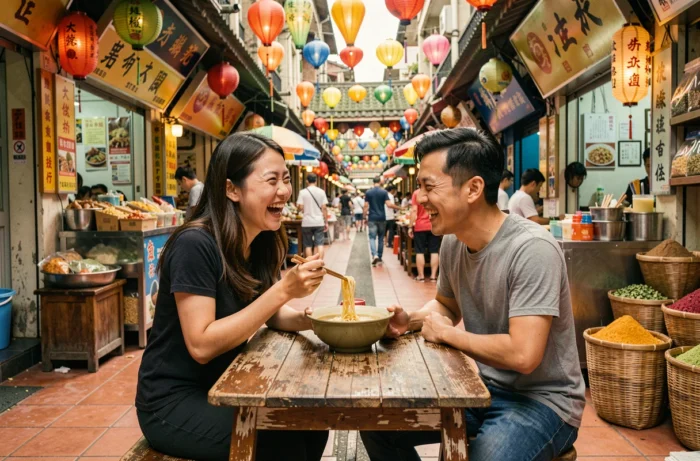
Nearby Europe (Italy, Greece, Spain, but also Croatia, Slovenia, or Montenegro) remains the most accessible playground to combine sun, change of scenery, and controlled budget. The south of Montenegro or the Albanian coast, for example, offer Mediterranean landscapes comparable to Greece with significantly lower accommodation and dining costs.
The choice of destination depends as much on the calendar and budget as on the initial dream. A successful trip often starts with a simple question: what compromise between distance, cost, and climatic conditions fits my situation this year? Asking this question before consulting catalogs avoids disappointments and transforms inspiration into a concrete project.