Comparing the Argentine regions in August means measuring differences in temperature, attendance, and types of activities across a territory stretching over 3,500 kilometers from north to south. The austral winter climate does not affect the country uniformly, and some areas offer significantly more favorable conditions than others for travel during this period.
Temperatures and conditions by region in August: the decisive table
Argentina encompasses several climatic zones. In August, the differences between the Andean Northwest and southern Patagonia are pronounced enough to guide an itinerary from the preparation phase.
| Region | Average temperatures in August | Precipitation | Type of experience |
|---|---|---|---|
| Northwest (Salta, Jujuy) | 15 °C to 25 °C | Low | Hiking, Andean heritage, villages |
| Buenos Aires | Mild winter | Moderate | Culture, tango, gastronomy |
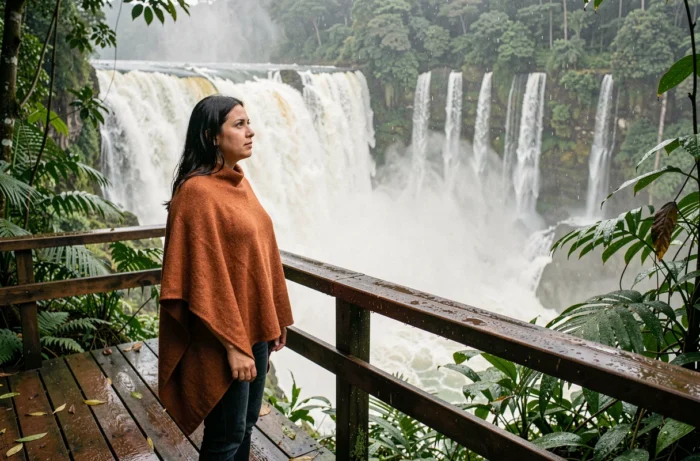
| Iguazú | Temperate subtropical climate | Reduced compared to summer | Waterfalls, jungle, walkways |
| Patagonia (El Calafate, Ushuaia, Bariloche) | Winter cold, frequent snow | Variable, snow | Glaciers, skiing, snow activities |
| Valdés Peninsula | Cool | Moderate | Southern right whale watching |
The Argentine Northwest stands out as the most temperate area in August, with generous sunshine and simply cool nights. In contrast, Patagonia imposes logistical constraints related to cold and snowfall but offers winter experiences that are unavailable elsewhere.
Planning a trip to Argentina in August requires cross-referencing these climatic data with the types of activities sought, as each region caters to a different traveler profile.
Argentine Northwest in austral winter: the best climate-interest ratio
Competitors mention Salta and Jujuy, but few detail why this area surpasses others in August from a practical standpoint. The Quebrada de Humahuaca, a UNESCO World Heritage site, can be visited under optimal conditions: clear skies, pleasant daytime temperatures, and almost no rain.
The colors of the geological formations (red, ochre, violet layers) are more contrasted under winter light than during the wet season. Andean villages like Purmamarca or Tilcara welcome fewer visitors than in summer, which radically changes the experience on-site.
For travelers who want to combine landscapes and culture without enduring the Patagonian cold, the Northwest offers the best compromise in August. The region also allows for the discovery of Inca archaeological sites and a distinct Andean gastronomy from the rest of the country.
Buenos Aires in August: cultural programming makes the difference
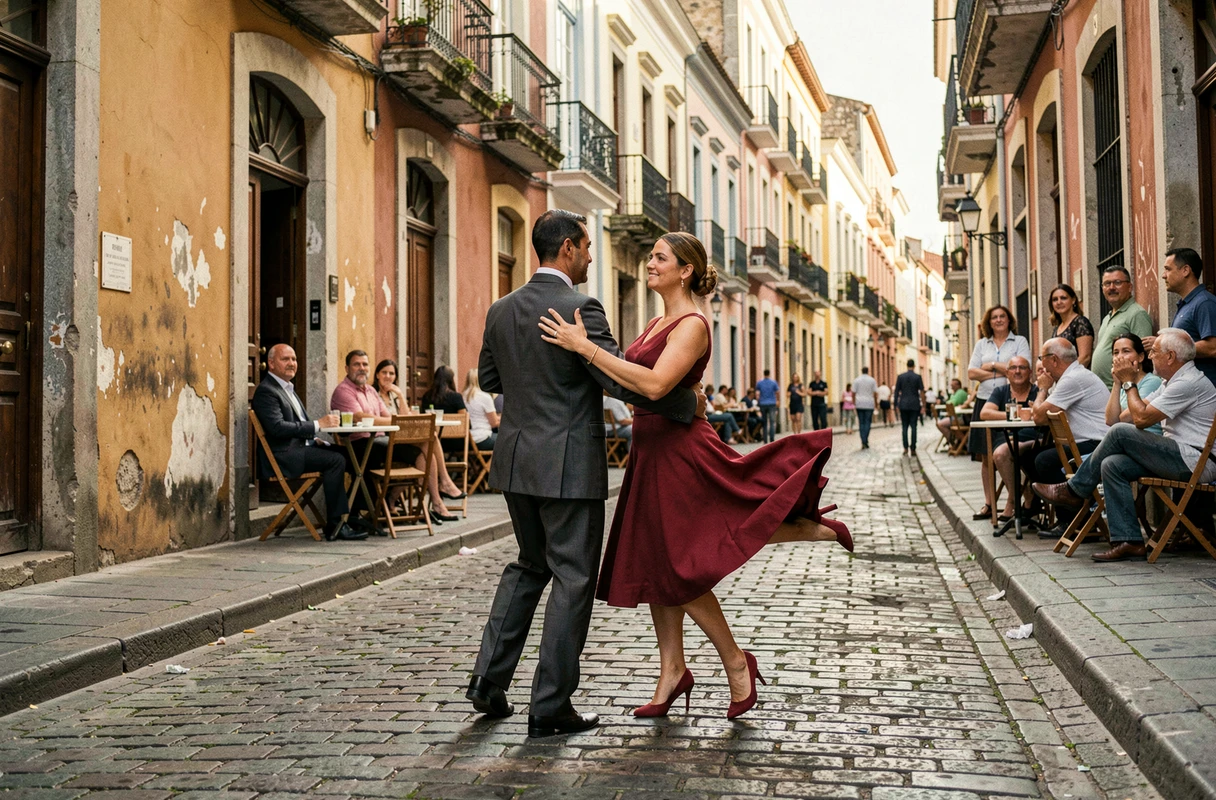
Buenos Aires in winter is not just about a mild climate. It is the season when the capital concentrates its major events. The Tango Festival and World Cup attracts dancers and spectators from around the world. Food fairs, wine tastings, and gastronomic events complement a dense cultural calendar.
The city operates at a different pace than in summer: café terraces remain active, museums and contemporary art galleries offer temporary exhibitions, and milongas (tango salons) run at full capacity in the evening.
- The Tango Festival is the highlight of the month, with shows, competitions, and milongas in several neighborhoods
- The food fairs showcase Argentine regional products, from Mendoza wine to Patagonian cheeses
- The contemporary art galleries in Palermo and San Telmo schedule their winter season openings
For a traveler torn between nature and culture, Buenos Aires in August justifies at least three days of stay before or after a regional getaway.
Patagonia and snow activities: a winter stay, not a classic nature stay
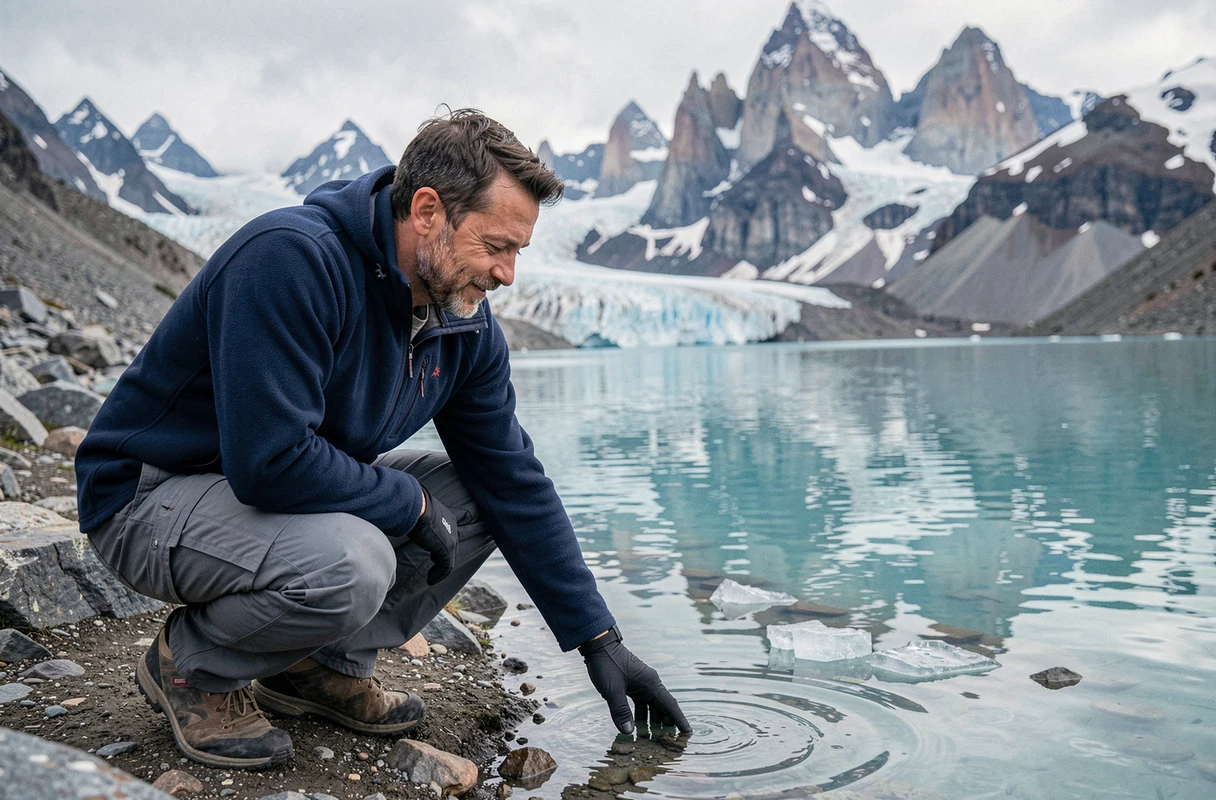
Many travelers associate Patagonia with summer hiking. In August, the situation changes. El Calafate, Ushuaia, and Bariloche transform into full-fledged winter destinations. The official site Visit Argentina highlights specific snow-related experiences in August: skiing, snowshoeing, glacier walking in winter conditions.
The Perito Moreno glacier remains accessible in winter, but the experience differs from that of January. The low light, snow on the surrounding mountains, and reduced crowds create a distinct atmosphere. It is necessary to prepare suitable clothing for extreme cold and check access conditions, as some roads may be temporarily closed.
Ushuaia offers alpine and cross-country skiing at Cerro Castor, while Bariloche attracts winter sports enthusiasts to Cerro Catedral. These resorts operate fully in August.
Iguazú Falls in August: reduced attendance and comfortable visits
The Iguazú Falls in August do not resemble those in December. The subtropical climate tempers, the oppressive heat disappears, and attendance decreases significantly. The walkways of the national park can be traversed without the pressure of summer crowds.
Visit Argentina emphasizes that discovering the jungle and viewpoints becomes more comfortable during winter. The trails are more passable, humidity is less oppressive, and tropical birds remain visible. The flow of the falls varies according to the rains of the previous weeks, but the spectacle remains striking.
- The upper and lower walkways are accessible year-round, including in August
- The Garganta del Diablo (Devil’s Throat) offers a clear panorama with less mist than in summer
- The Brazilian side of the park allows for a complementary overview in half a day
Valdés Peninsula: the season of southern right whales
Between June and December, the southern right whales approach the shores of the Valdés Peninsula to breed. August falls right in the middle of the observation season. Puerto Madryn serves as a logistical base for sea outings.
This destination attracts a different traveler profile: marine wildlife enthusiasts, wildlife photographers, families. The cold waters of the South Atlantic also host penguins, sea lions, and orcas, depending on the exact time of the month.
Argentina in August is not visited like in January. Each region responds to its own seasonal logic, and the choice depends on a balance between climate, type of activities, and tolerance to cold. The Northwest and Buenos Aires concentrate the best overall conditions, while Patagonia and Iguazú reward those willing to step outside summer patterns.