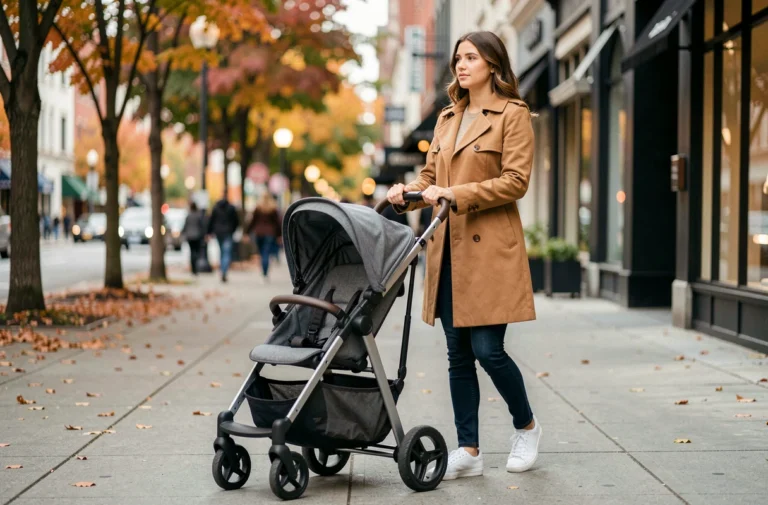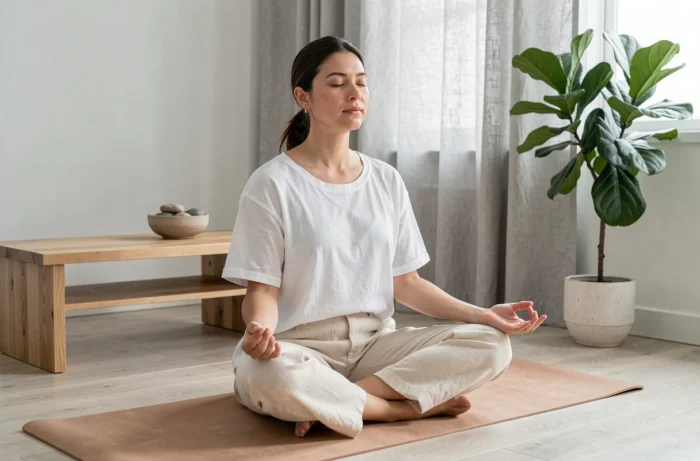
Reducing stress and improving health naturally on a daily basis does not solely rely on a list of good habits. The distinction between physical activity and sedentariness, vigilance regarding so-called natural products, and the collective organization of life time are often underestimated levers in public approaches to well-being.
Sedentariness and physical activity: two parameters to dissociate
Moving more does not neutralize the effects of hours spent sitting. Santé publique France recommends separately assessing the level of physical activity and the time spent sedentary, as these two factors engage distinct physiological mechanisms.
Reducing the time spent immobile is as important as practicing a sport. Getting up regularly, walking a few steps, or simply changing posture constitutes an accessible first lever, complementary to any structured sports practice.
Well-being tools for daily life, such as those referenced on the Objectif Mieux-Etre site, help structure this approach by clearly distinguishing between active movement and the reduction of sedentary time.

Sleep and recovery: the continuity of cycles before the hour count
Counting hours of sleep remains the dominant reflex. Taken in isolation, this metric masks a more determining parameter: the continuity of deep sleep cycles conditions real recovery.
Two levers act on sleep quality without resorting to dietary supplements:
- The regularity of bedtime, including on weekends, synchronizes the circadian clock and facilitates falling asleep.
- Reducing exposure to screens in the hour before bedtime limits the suppression of endogenous melatonin and preserves the natural architecture of cycles.
We observe that stabilizing the wake-up time, rather than the bedtime, produces a more robust circadian rhythm over several weeks. This is a simple adjustment that directly targets the morning light signal received by the suprachiasmatic nuclei.
Natural food and organic products: traps to be aware of
A product labeled “natural” is not necessarily risk-free. The market for natural and organic products relies on an implicit promise of safety that pharmacological reality does not always confirm. Essential oils, for example, contain active molecules whose allergenic potential justifies regulated use.
Before integrating an organic dietary supplement or a plant-based treatment into your routine, three checks are necessary:
- The existence of a batch number and an identifiable manufacturer, ensuring product traceability.
- The absence of contraindications with an ongoing treatment, by systematically checking with a pharmacist or doctor for potential interactions.
- The actual concentration of active ingredients, which varies significantly from one brand to another for the same plant extract.
The mention “organic” certifies a mode of cultivation, not therapeutic efficacy. Confusing the two leads to poorly informed choices, particularly regarding stress management or emotional balance.
Herbal teas and infusions: a use that deserves rigor
Infusions of valerian, passionflower, or lemon balm are often presented as gentle alternatives to anxiolytics. Their effectiveness depends on the quality of the raw material and the infusion time, two parameters rarely specified on packaging.
This gap between actual usage conditions and the displayed instructions explains why some people conclude that plants are ineffective after a poorly calibrated trial.
Well-being at work: the organizational framework as a lever for mental health
Individual approaches to natural well-being dominate the public literature. The WHO, on the occasion of World Mental Health Day 2024, reminded that manager training and organizational adjustments reduce work-related stress more sustainably than solely personal strategies.
Among the recommended measures: regular breaks integrated into work organization, peer support exchanges, reasonable accommodations for individuals in difficulty. These measures fall under structural prevention, not comfort.
We observe that a micro-break of five minutes every hour, combined with a simple change of location, reduces perceived cognitive fatigue at the end of the day. The ICAPS program, recognized by the WHO, has shown that combining physical activity, reducing screen time, and behavioral support produced lasting results in middle school students. The principle remains transferable to professional environments.
Chronic stress and cortisol: passive relaxation and recovery are not synonymous
Relaxing in the evening while watching a movie does not constitute recovery from chronic stress. Physiological recovery involves activating the parasympathetic nervous system, which can be triggered by slow and controlled breathing exercises.
Five minutes of slow breathing is sufficient. This practice differs from passive leisure activities, which provide subjective relief without altering biological stress markers.
The most stable levers of natural well-being rest on the dissociation between sedentariness and movement, rigor in the use of plant-based products, and consideration of the collective framework in which everyone works. Adapting these parameters to one’s own context, with a minimum of method, produces more lasting results than the accumulation of isolated gestures.